

There’s something undeniably comforting about a slice of homemade pound cake warming up the senses as it emerges from the oven. Experience the buttery richness of this Classic Baked Vanilla Pound Cake, where every bite is a true delight. This tender vanilla pound cake brings a harmonious blend of buttery goodness and sweet vanilla flavor, perfect for any occasion. With just 20 minutes of prep time, 60–70 minutes in the oven, and a brief 10-minute rest, you’ll have a loaf that yields about 12 generous slices—each around 380 calories. Whether you’re a beginner in the kitchen or a seasoned baker looking for an easy cake, this recipe walks you through every step so you can enjoy a flawless homemade cake.
I still remember the first time I pulled this loaf from the oven—golden-brown top, an intoxicating hint of vanilla weaving through the air, and a tender crumb that practically melted on the tongue. My family gathered around the counter, mugs of coffee in hand, and before I knew it, the cake was half gone. That warm, cozy moment convinced me that this classic recipe isn’t just a dessert; it’s a celebration of simple ingredients coming together in perfect harmony. So grab your loaf pan, preheat your oven, and get ready to create memories with every slice of this buttery masterpiece.
KEY INGREDIENTS IN CLASSIC BAKED VANILLA POUND CAKE
Before diving into the mixing bowl, let’s talk about the stars of this recipe and why each one is essential for that perfect tender crumb and buttery flavor.
- Unsalted butter
Room-temperature butter is the backbone of a pound cake. It provides rich fat content for moistness and helps trap air when creamed with sugar, giving the cake its signature lift.
- Granulated sugar
Beyond sweetness, sugar contributes to the cake’s fine texture by creating tiny pockets of air during creaming. It also promotes a delicate golden crust as it caramelizes in the oven.
- Eggs
Eggs act as a binder and add structure. Beating them in one at a time ensures they fully incorporate, creating an emulsion that keeps the cake light and prevents it from collapsing.
- Vanilla extract
This is where our vanilla punch comes in. Pure vanilla extract infuses each bite with aromatic sweetness, elevating the buttery base without overpowering it.
- All-purpose flour
The cake’s foundation: all-purpose flour provides the right balance of protein for structure while keeping the crumb tender. Sifting or whisking it beforehand prevents lumps.
- Baking powder
A small amount of leavening ensures the pound cake rises just enough, delivering a soft interior and that satisfying spring back when pressed lightly.
- Salt
Though minimal, salt is the unsung hero that enhances all the flavors—sweet and buttery notes pop when salt is included in the right proportion.
- Whole milk
Room-temperature milk adds moisture and helps achieve a smooth batter. Alternating it with dry ingredients creates a delicate crumb without overmixing.
HOW TO MAKE CLASSIC BAKED VANILLA POUND CAKE
Now that we’ve gathered our ingredients and prepped our pan, it’s time to mix, bake, and enjoy. This step-by-step guide will ensure a tender, golden loaf every time.
1. Preheat your oven to 350°F (175°C). Grease a 9×5-inch loaf pan thoroughly and line it with parchment paper, leaving an overhang on the sides for easy removal once the cake is baked.
2. In a large bowl, cream the butter and sugar together on medium speed using a hand mixer or stand mixer for about 4–5 minutes. The mixture should turn pale and light, indicating that enough air has been incorporated.
3. Add the eggs one at a time, beating well after each addition. Ensure each egg is fully mixed in before adding the next. Then, stir in the vanilla extract until just combined.
4. In a separate bowl, whisk together the flour, baking powder, and salt. Gradually incorporate this dry mixture into the butter-egg batter, alternating with the milk. Begin and end with the flour mixture, mixing just until combined after each addition to avoid overmixing.
5. Pour the batter into the prepared loaf pan, using a spatula to smooth the top for even baking.
6. Bake for 60–70 minutes, or until a toothpick inserted into the center comes out clean. If the top browns too quickly, tent it loosely with aluminum foil to prevent overbrowning.
7. Allow the cake to cool in the pan for about 10 minutes. Then use the parchment paper overhang to lift the loaf out onto a wire rack to cool completely.
8. Once cooled, slice and serve as desired—whether plain, dressed up, or accompanied by your favorite toppings.
SERVING SUGGESTIONS FOR CLASSIC BAKED VANILLA POUND CAKE
Whether you prefer your pound cake in its pure, unadorned glory or dressed up for an elegant dessert, there are endless ways to serve this classic baked vanilla pound cake. Its tender crumb and buttery sweetness make it the perfect canvas for both simple and sophisticated pairings. You might find yourself slicing into it straight from the counter with a warm beverage, or you could elevate your presentation for a special gathering. No matter how you choose to enjoy it, these serving ideas will help you showcase the cake’s versatility and crowd-pleasing flavor.
- Serve warm slices with a dollop of fresh whipped cream and a spoonful of seasonal berries, such as strawberries or blueberries, for a light and colorful dessert that balances sweetness with tang.
- Dust each slice with powdered sugar and add a scoop of vanilla bean ice cream for an indulgent treat. The contrast of cold ice cream and room-temperature cake creates a lovely texture play.
- Drizzle a simple lemon glaze made from powdered sugar and fresh lemon juice over the top for a bright, zesty twist. The citrus notes cut through the buttery richness and add a refreshing pop.
- Cut the loaf into small cubes and serve bite-sized pieces as mini tea cakes alongside your favorite hot tea or coffee. Arrange on a platter with decorative toothpicks for an elegant afternoon spread.
HOW TO STORE CLASSIC BAKED VANILLA POUND CAKE
To maintain that tender crumb and full vanilla flavor, proper storage is key. Whether you’re planning to enjoy your pound cake over the next few days or freezing it for later use, these methods will help keep your dessert moist and delicious. With a little care, you can extend the life of your loaf without sacrificing taste or texture.
- Room Temperature Storage
Once fully cooled, wrap the cake tightly in plastic wrap or place it in an airtight container. Store on the counter away from direct sunlight for up to 3 days. This keeps the crumb moist and prevents it from drying out.
- Refrigeration
For longer freshness (up to one week), place the wrapped loaf in the refrigerator. Ensure it’s sealed well to protect against absorbing other odors. Bring slices to room temperature or warm briefly before serving.
- Freezing Whole Loaf
Wrap the cooled cake first in parchment paper, then in aluminum foil to prevent freezer burn. Store in a freezer-safe bag and freeze for up to 3 months. Thaw overnight in the refrigerator, then bring to room temperature before slicing.
- Freezing Individual Slices
For quick treats, slice the cake, wrap each piece in plastic wrap, and place the slices in a freezer-safe container or bag. When you’re ready, simply unwrap a slice and let it thaw at room temperature for 30–60 minutes, or warm it gently in the microwave.
CONCLUSION
I hope you’ve enjoyed this deep dive into our Classic Baked Vanilla Pound Cake recipe. We’ve covered everything from the simple list of ingredients to the step-by-step baking process, along with serving suggestions and storage tips. This Beginner-level dessert proves that you don’t need fancy techniques or exotic supplies to impress friends and family with a homemade cake that’s both buttery and sweet. Feel free to print this article and save it to your recipe binder for those days when you crave a reliable, crowd-pleasing treat. And don’t forget—you can scroll down to find a FAQ section below to troubleshoot common questions without hunting all over the internet.
If you give this recipe a try, I’d love to hear how it turns out! Let me know in the comments if you opted for a lemon glaze, served it with fresh berries, or discovered your own favorite twist. Your feedback helps me refine my recipes and inspires other home cooks in our community. Whether you have questions about ingredient substitutions, oven temperatures, or anything in between, don’t hesitate to leave a comment. Happy baking, and here’s to many joyful moments shared over slices of tender, buttery vanilla pound cake!
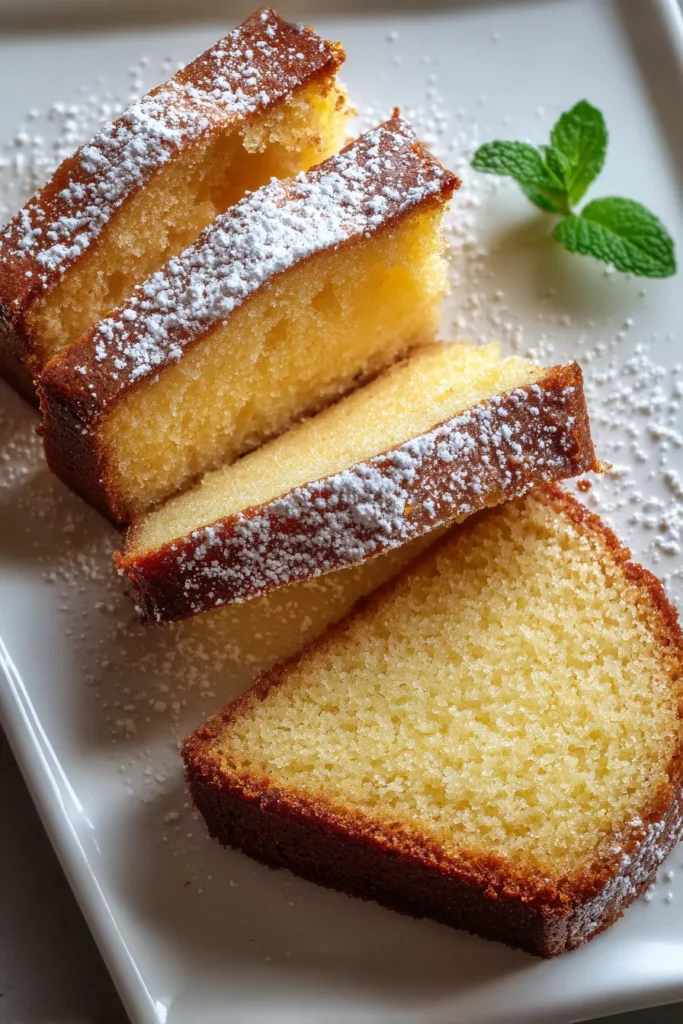

Classic Baked Vanilla Pound Cake
Description
This tender vanilla pound cake brings a harmonious blend of buttery goodness and sweet vanilla flavor, perfect for any occasion. Serve it fresh, or pair it with berries for a stunning dessert.
Ingredients
Instructions
-
Preheat your oven to 350°F (175°C). Grease a 9x5 inch loaf pan and line it with parchment paper, leaving some overhang on the sides for easy removal.
-
In a large bowl, cream the butter and sugar together until light and fluffy, about 4-5 minutes. This can be done using a hand mixer or stand mixer on medium speed.
-
Add the eggs one at a time, beating well after each addition. Make sure the eggs are fully incorporated before adding the next. Mix in the vanilla extract.
-
In a separate bowl, whisk together the flour, baking powder, and salt. Gradually add this dry mixture to the butter-egg mixture, alternating with the milk. Begin and end with the flour mixture, mixing just until combined after each addition. Be careful not to overmix.
-
Pour the batter into the prepared loaf pan, smoothing the top with a spatula for even baking.
-
Bake in the preheated oven for 60-70 minutes, or until a toothpick inserted into the center of the cake comes out clean. If the top begins to brown too quickly, cover it loosely with aluminum foil.
-
Allow the cake to cool in the pan for about 10 minutes before using the parchment paper overhangs to lift it out onto a wire rack to cool completely.
-
Once cooled, slice and serve as desired.
Note
- The key to a tender pound cake is ensuring that all ingredients, especially the butter, eggs, and milk, are at room temperature before you start.
- For an extra vanilla punch, consider adding the seeds of one vanilla bean or 1/2 teaspoon of vanilla bean paste.
- This cake pairs wonderfully with fresh berries and whipped cream for a delightful dessert.
- If stored properly in an airtight container, this pound cake can last up to 3 days at room temperature or about a week in the refrigerator.

