

As the seasons shift and we find ourselves craving something warm and restorative, this Healing Ginger Garlic Broth with Rice Noodles swoops in like a cozy hug in a bowl. I first stumbled upon this recipe on a chilly afternoon when a stubborn cold had me reaching for every remedy in sight. A pinch of ginger here, a clove of garlic there, and suddenly my kitchen smelled like a spa rather than a sick bay. As the gentle breeze rattled my windowpanes, I chopped and stirred and sipped, finding solace in each spoonful. Not only did it chase away the chill, but it also reminded me why I became a home cook in the first place: experimenting with simple, healthful ingredients to transform everyday meals into healing rituals.
This broth is perfect for those lazy Sundays when you want something that feels fancy but is actually a breeze to whip up. With just 15 minutes of prep time and 30 minutes of simmering, you’ll have four generous servings that clock in at around 350 calories each—ideal for lunch or an early dinner. Whether you’re a beginner in the kitchen or a seasoned soup slinger, you’ll appreciate how easy it is to customize. Add tofu or shredded chicken for extra protein, swap in seasonal veggies you have on hand, or amp up the spice with a sprinkle of red pepper flakes. Every element in this bowl works together in harmony: the zing from fresh ginger, the warmth of garlic, the earthiness of mushrooms, and the bright pop of lime juice. Grab your favorite spoon, settle into your comfiest chair, and let’s dive into this bowl of nurturing deliciousness.
KEY INGREDIENTS IN HEALING GINGER GARLIC BROTH WITH RICE NOODLES
Before you roll up your sleeves, let’s take a closer look at the star players that make this broth sing. Each ingredient brings its own unique punch—whether it’s boosting immunity, adding depth of flavor, or creating that melt-in-your-mouth texture we all crave. Here’s why I love each one:
- Olive oil
Serves as the flavorful foundation for sautéing aromatics. Its fruity notes help carry the scents of onion, garlic, and ginger while adding a subtle richness to the broth.
- Onion
When finely chopped and gently sautéed, it transforms from sharp and pungent to sweet and mellow, creating a savory base that rounds out the tangy and spicy notes.
- Garlic
Minced garlic releases essential oils that infuse the broth with depth and warmth. It’s not only delicious but also known for its immune-boosting properties.
- Fresh ginger
Grated ginger is the heart of this recipe, offering a bright, spicy zing that awakens your taste buds and provides soothing heat perfect for those under the weather.
- Vegetable or chicken broth
The canvas for your masterpiece. Vegetable broth keeps it vegetarian, while chicken broth adds a savory backbone. Either choice offers comforting warmth and liquid bliss.
- Carrots
Sliced carrots add a touch of natural sweetness and vibrant color, balancing the savory broth and providing a satisfying bite that’s also rich in vitamins.
- Mushrooms
Shiitake or cremini mushrooms lend an earthy umami flavor and meaty texture, making every spoonful feel more substantial and complex.
- Baby spinach
A handful of fresh greens added at the end brings a pop of color and a boost of iron and antioxidants without overpowering the delicate broth.
- Soy sauce (or tamari)
Brings a splash of salty depth and subtle caramel notes. Tamari is perfect for gluten-free cooks seeking the same umami punch.
- Miso paste
Optional but highly recommended for an extra layer of fermented umami. Stirred in at the end, it dissolves into the broth, enriching every slurp.
- Rice noodles
Soft and slightly chewy, these noodles soak up the fragrant broth beautifully. They create the perfect vessel for delivering flavors right to your palate.
- Lime juice
A final squeeze of lime brightens the entire bowl with zesty acidity, cutting through the richness and adding a citrusy lift.
- Fresh cilantro
Garnished atop the finished bowl, cilantro adds a fresh, herbaceous note and a burst of green that makes every serving feel like spring.
- Salt and pepper
Essential for seasoning and adjusting the balance of flavors. A little goes a long way in tying everything together.
- Green onions
Optional but delightful for adding a crisp, oniony crunch and vibrant color contrast when sprinkled on top.
- Red pepper flakes
For the spice lovers, a sprinkle brings a gentle heat that dances on the tongue. Adjust to taste for a personalized kick.
HOW TO MAKE HEALING GINGER GARLIC BROTH WITH RICE NOODLES
Once you have all your ingredients lined up, this recipe transforms from a list of items into a heartwarming ritual. Whether you’re cooking for one, prepping for a week of lunches, or serving up a comforting meal for friends, the steps below will guide you through creating each flavorful layer.
1. Heat the olive oil in a large pot over medium heat, ensuring the surface shimmers but doesn’t smoke. This gentle temperature allows the aromatics to release their full flavor without burning.
2. Add the chopped onion and sauté it until translucent, stirring occasionally for about 5 minutes. You want the edges to turn golden and the center to soften, building the foundation of a rich broth.
3. Stir in the minced garlic and grated ginger, cooking for an additional 2–3 minutes until the scents dance in the air. Keep the heat moderate to avoid browning; you’re looking for a fragrant bloom of flavors.
4. Pour in the vegetable or chicken broth and raise the heat to bring the mixture to a gentle boil. The aromatic base will infuse into the liquid, creating a warm, flavorful bath for your vegetables.
5. Once boiling, reduce the heat to a simmer and add the sliced carrots and mushrooms. Let them simmer for about 10 minutes until the carrots are tender yet still hold a bit of bite.
6. Stir in the soy sauce and miso paste (if using), mixing until the miso is completely dissolved. This step deepens the umami profile, making the broth taste rich and rounded.
7. Add the baby spinach, allowing it to wilt for about 2 minutes. The leaves should turn bright green and tender without becoming mushy.
8. Meanwhile, cook the rice noodles according to package instructions in a separate pot. Once they’re tender, drain and set them aside to prevent sogginess in your final bowl.
9. When the broth is done simmering, remove it from heat and stir in the lime juice. Taste and season with salt and pepper to achieve the perfect balance of salty, tangy, and savory.
10. To serve, place a portion of the prepared rice noodles in each bowl. Carefully ladle the hot ginger garlic broth with its vibrant vegetables over the noodles.
11. Garnish with fresh cilantro, sliced green onions, and a sprinkle of red pepper flakes if you crave a little extra heat. Stand back and admire the rainbow of colors before diving in!
SERVING SUGGESTIONS FOR HEALING GINGER GARLIC BROTH WITH RICE NOODLES
Serving this broth is an opportunity to get creative and tailor each bowl to your taste buds. Here are a few ideas to make every serving feel like a special treat:
- Offer a DIY Topping Bar: Lay out small bowls of toppings such as extra cilantro, toasted sesame seeds, fresh lime wedges, and chili oil. This lets everyone customize their bowl, adding a sprinkle of crunch or a dash of spice to suit their mood.
- Pair with Crusty Bread or Bao Buns: Serve the broth alongside warm, fluffy bao buns or slices of crusty whole-grain bread. The contrast between the soft noodles and crisp bread makes each bite a delightful texture journey.
- Create a Noodle-Free Bowl: For a low-carb option, skip the rice noodles and pile in extra spinach, mushrooms, and shredded chicken or tofu. You’ll still get all those nourishing flavors in a lighter, broth-forward dish.
- Elevate to a Hearty Meal: Stir in cubed tofu, shredded rotisserie chicken, or thinly sliced beef for added protein. Not only does this make the dish more filling, but it also soaks up the broth’s vibrant flavors for a truly satisfying bite.
HOW TO STORE HEALING GINGER GARLIC BROTH WITH RICE NOODLES
Storing your Healing Ginger Garlic Broth properly ensures every reheated bowl tastes as fresh and vibrant as the first. Whether you’re prepping meals for the week or saving leftovers for a rainy day, these tips will help you keep flavors and textures at their best:
- Airtight Containers for Broth: Pour cooled broth into a sealed container, leaving a bit of headspace for expansion. Refrigerate for up to 4 days to preserve its aromatic qualities and delicate flavors.
- Separate Noodle Storage: Store cooked rice noodles in their own container, lightly tossed with a drizzle of oil to prevent sticking. Keep them in the fridge for up to 3 days, then add to warmed broth right before serving.
- Freezing Portions: Ladle cooled broth into individual freezer-safe jars or ice cube trays for quick portion control. Once frozen, transfer the cubes to a zip-top bag. Thaw in the fridge overnight or drop cubes into simmering broth when you need a quick fix.
- Gentle Reheating: Warm leftover broth gently on the stove over low to medium heat to avoid breaking down its fresh flavors. Once hot, pour over your pasta or veggies, and you’re ready to enjoy a second helping of wellness.
CONCLUSION
I hope you’ve enjoyed this deep dive into creating a bowl of Healing Ginger Garlic Broth with Rice Noodles that’s as nourishing as it is delicious. From the moment you light the stove to the second you take that first soul-soothing spoonful, this recipe is designed to bring comfort and flavor into your kitchen. Whether you’re battling a cold, craving something cozy, or simply exploring new lunch ideas, this dish has your back. I encourage you to print out this article and save it in your recipe binder—trust me, future you will be grateful on those busy or under-the-weather days. You’ll also find a handy FAQ section below to answer any lingering questions about substitutions, cooking times, or ingredient swaps.
If you give this recipe a whirl, I’d love to hear how it turned out! Drop a comment below with your thoughts, questions, or any twists you added to make it your own. Did you sneak in extra veggies? Did a squeeze of lime surprise you with its brightness? Your feedback is what makes sharing recipes so much fun. Let’s keep the conversation going—whether you need a hand troubleshooting a step or want to share a heartwarming story of how this broth brightened your day, I’m all ears and can’t wait to hear from you. Happy cooking!
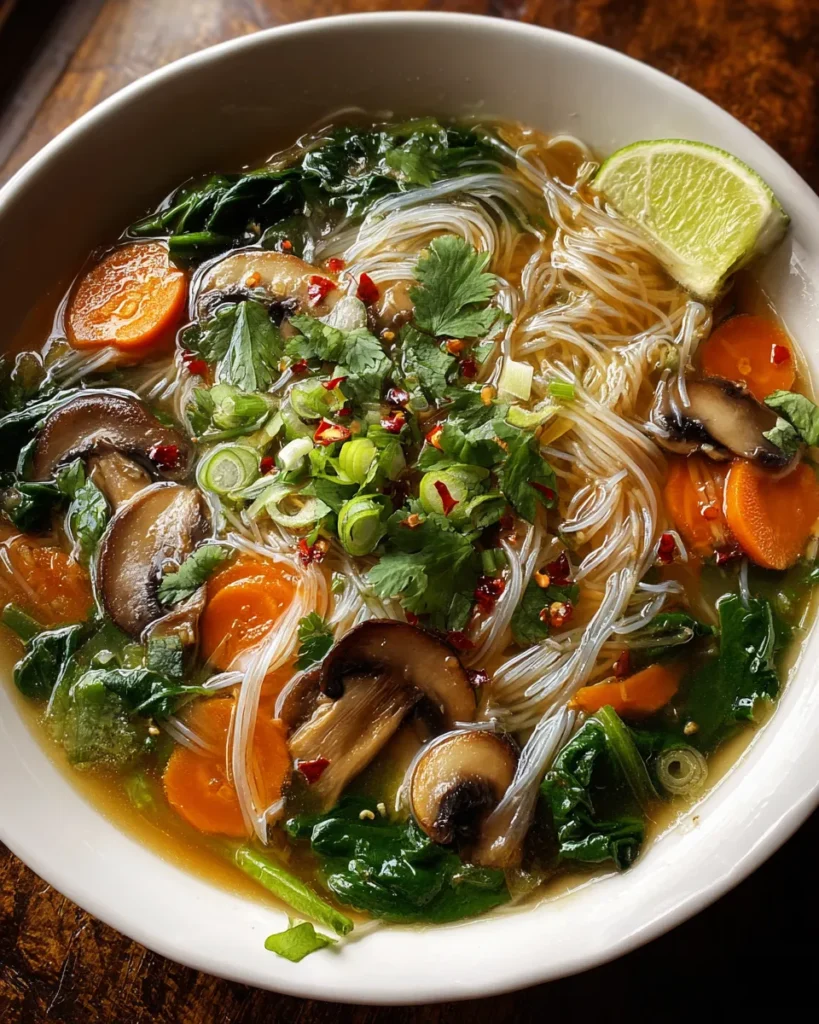

Healing Ginger Garlic Broth with Rice Noodles
Description
This warm and soothing broth combines zesty ginger, aromatic garlic, and fresh veggies over soft rice noodles, perfect for cozy nights or when you're under the weather.
Ingredients
Instructions
-
Begin by heating the olive oil in a large pot over medium heat.
-
Add the chopped onion and sauté until it becomes translucent, about 5 minutes.
-
Stir in the minced garlic and grated ginger, cooking for an additional 2-3 minutes until fragrant.
-
Pour in the vegetable or chicken broth and bring the mixture to a boil.
-
Once boiling, reduce the heat and add the sliced carrots and mushrooms. Simmer for about 10 minutes until the vegetables are tender.
-
Stir in the soy sauce and miso paste (if using), mixing until the miso is fully dissolved in the broth.
-
Add the baby spinach, allowing it to wilt, for about 2 minutes.
-
Meanwhile, cook the rice noodles according to the package instructions in a separate pot. Drain and set aside.
-
Once the broth is done simmering, stir in the lime juice and season with salt and pepper to taste.
-
To serve, place a portion of rice noodles in a bowl and ladle the hot ginger garlic broth with vegetables over the noodles.
-
Garnish with fresh cilantro, sliced green onions, and a sprinkle of red pepper flakes if desired.
Note
- This broth is not only flavorful but packed with immune-boosting ingredients.
- Perfect for cold seasons or when you're feeling unwell, as it is warm and comforting.
- You can customize the vegetables based on what's in season or what you have on hand.
- This recipe is suitable for meal prep; store the noodles separately to keep them from getting mushy in the broth.
- Consider adding protein such as tofu or chicken for a more filling meal option.

