

Tender chicken breasts kissed with zesty Dijon and fresh rosemary come together in this Heart Healthy Rosemary Chicken Dijon, offering a light yet satisfying dinner that’s as simple as it is delicious. Juicy, lean chicken is pan-seared to a golden brown, then bathed in a silky Dijon sauce and brightened with fresh lemon juice. Ready in under 40 minutes, this heart-friendly meal proves that eating well doesn’t mean compromising on flavor—let’s dive in!
Key Ingredients
To bring out the best in this Heart Healthy Rosemary Chicken Dijon, each ingredient plays a key role in flavor and health:
- 4 pieces skinless boneless chicken breast: Lean protein that cooks evenly and soaks up the Dijon-rosemary marinade.
- 2 tablespoons Dijon mustard: Zesty base that provides tangy depth and helps form a silky pan sauce.
- 1 tablespoon fresh rosemary leaves, chopped: Aromatic herb that infuses the chicken with its signature piney flavor.
- 2 cloves garlic, minced: Adds a savory kick and layers of complexity to the sauce.
- 1 tablespoon extra virgin olive oil: Heart-healthy fat for searing the chicken to a golden crust.
- 1/4 cup low sodium chicken broth: Light liquid that creates a gentle simmer for moist, tender meat.
- 1 teaspoon fresh lemon juice: Bright acidity that lifts and balances the richness of the mustard.
- 1/4 teaspoon ground black pepper: Gentle heat to round out the flavor profile.
- Pinch salt: Enhances and harmonizes all of the other flavors.
How To Make Heart Healthy Rosemary Chicken Dijon
This recipe follows a straightforward process of whisking, marinating, searing, and simmering. You’ll start by creating a vibrant mustard-rosemary mixture, then let the chicken soak in those flavors before giving it a gorgeous golden sear. A brief covered simmer in low-sodium broth keeps the meat juicy, and a final reduction of the pan sauce concentrates all the tangy, herbal goodness. Perfect for beginners, each step builds layers of flavor without any fuss.
1. In a bowl, whisk together the Dijon mustard, fresh chopped rosemary, minced garlic, lemon juice, ground black pepper, and a pinch of salt until the mixture is smooth and well combined.
2. Add the chicken breasts to the bowl, rubbing the mustard mixture over each piece to ensure an even coat. Let the chicken marinate at room temperature for 10 minutes.
3. Heat the extra virgin olive oil in a large skillet over medium heat until it shimmers, indicating the pan is hot enough for a good sear.
4. Place the chicken breasts in the skillet and cook for 4 to 5 minutes on each side, or until they develop a golden-brown crust.
5. Pour in the low sodium chicken broth and bring the skillet to a gentle simmer. Cover and cook for 8 to 10 minutes, or until the chicken is cooked through.
6. Remove the lid and cook for an additional 2 minutes, allowing the sauce to reduce and develop a slightly thicker consistency.
7. Transfer the chicken to a serving platter and spoon the rosemary Dijon pan sauce over the top before serving.
Serving Suggestions
Elevate your plate with complementary sides that balance the tangy Dijon sauce and aromatic rosemary:
- Steamed Broccoli and Carrots: Vibrant vegetables add fiber and color, steamed until just tender to retain nutrients.
- Quinoa Pilaf: Fluffy whole grains cooked in low-sodium broth, tossed with chopped herbs for extra freshness.
- Mixed Greens Salad: Crisp lettuce, cherry tomatoes, and cucumber drizzled with a light vinaigrette to balance the richness.
- Roasted Sweet Potatoes: Cubed and roasted until caramelized, offering a sweet contrast to the mustard’s tang.
Tips For Perfect Heart Healthy Rosemary Chicken Dijon
Getting each detail right ensures a meal that’s both healthy and delicious. From the proper sear to the fresh herbs, these friendly pointers will help you nail it every time:
- Use skinless boneless chicken breasts for lean protein and quick, even cooking.
- Substitute 1 teaspoon dried rosemary if fresh rosemary isn’t available—it still brings that classic herbal aroma.
- Opt for low sodium chicken broth to keep the dish heart-healthy while still providing a flavorful simmer.
- Serve alongside steamed vegetables or whole grains for a balanced meal that covers all food groups.
How To Store It
Proper storage keeps your Rosemary Chicken Dijon tasting fresh, even as leftovers:
- Refrigerate in an Airtight Container: Once cooled, place chicken and sauce in a sealed container and store in the fridge for up to 3 days.
- Freeze for Longer Storage: Transfer portions to freezer-safe bags or containers, label with the date, and freeze for up to 2 months.
- Reheat Gently: Warm in a skillet over low heat with a splash of broth to prevent drying out, or microwave on medium power in short intervals.
- Portion in Meal Prep: Divide the chicken and sauce into individual meal prep containers for quick lunches or dinners during the week.
Frequently Asked Questions
Here are quick answers to common questions about this heart-healthy dish:
- How long does it take to prepare this recipe?
The total time is about 35 to 40 minutes. You’ll spend 5 to 7 minutes whisking together the Dijon mustard, rosemary, garlic, lemon juice, pepper, and salt, plus 10 minutes marinating the chicken. Cooking takes roughly 20 minutes, including browning each side for about 4 to 5 minutes, a covered simmer of 8 to 10 minutes, and a final 2-minute sauce reduction.
- Can I substitute dried rosemary if fresh isn’t available?
Yes, you can use dried rosemary. Substitute 1 teaspoon of dried rosemary leaves for the 1 tablespoon of fresh rosemary. Dried rosemary has a more concentrated flavor, so using 1 teaspoon ensures the dish remains balanced and aromatic.
- How can I tell when the chicken is fully cooked?
The chicken is done when its internal temperature reaches 165°F (74°C). You can use an instant-read thermometer inserted into the thickest part of the breast. Visually, the juices should run clear and the meat should no longer be pink inside.
- What can I serve with this dish for a balanced meal?
This heart-healthy chicken pairs beautifully with steamed vegetables such as broccoli, asparagus, or green beans, and whole grains like quinoa, brown rice, or farro. The light Dijon pan sauce complements the natural flavors of the vegetables and grains, creating a balanced plate of lean protein, fiber, and healthy fats.
- How should I store and reheat leftovers?
Store any leftover chicken and sauce in an airtight container in the refrigerator for up to three days. To reheat, place the chicken in a skillet over low heat with a splash of chicken broth or water, covering it to warm through gently so it doesn’t dry out. You can also microwave on medium power in short intervals until heated evenly.
- Can I prepare parts of this recipe in advance without compromising quality?
Yes, you can whisk together the Dijon mustard, rosemary, garlic, lemon juice, pepper, and salt and store the mixture in the refrigerator for up to 24 hours. When ready to cook, bring the mixture to room temperature, coat the chicken, then proceed with the marinating and cooking steps for best results.
- Are there any substitutions to make this dish even more heart healthy?
To further reduce sodium and fat, you can decrease the olive oil to 2 teaspoons, use a salt-free seasoning blend in place of the pinch of salt, and opt for homemade low-sodium chicken broth. You could also add a splash of white wine to the pan during the simmer step for added flavor without extra sodium.
What Makes This Special
This recipe shines because it’s a perfect marriage of tangy Dijon and fragrant rosemary, all in a quick, heart-conscious package. The simple whisk-and-marinade step lets flavors infuse deeply, and the golden sear locks in juices for tender chicken every time. A brief pan-simmer in low-sodium broth creates a silky sauce that feels indulgent yet light. Pin this recipe for your next weeknight dinner, and don’t be shy about printing it out to save or share. Let me know how your Dijon adventure goes—drop a comment or question if you give it a whirl!
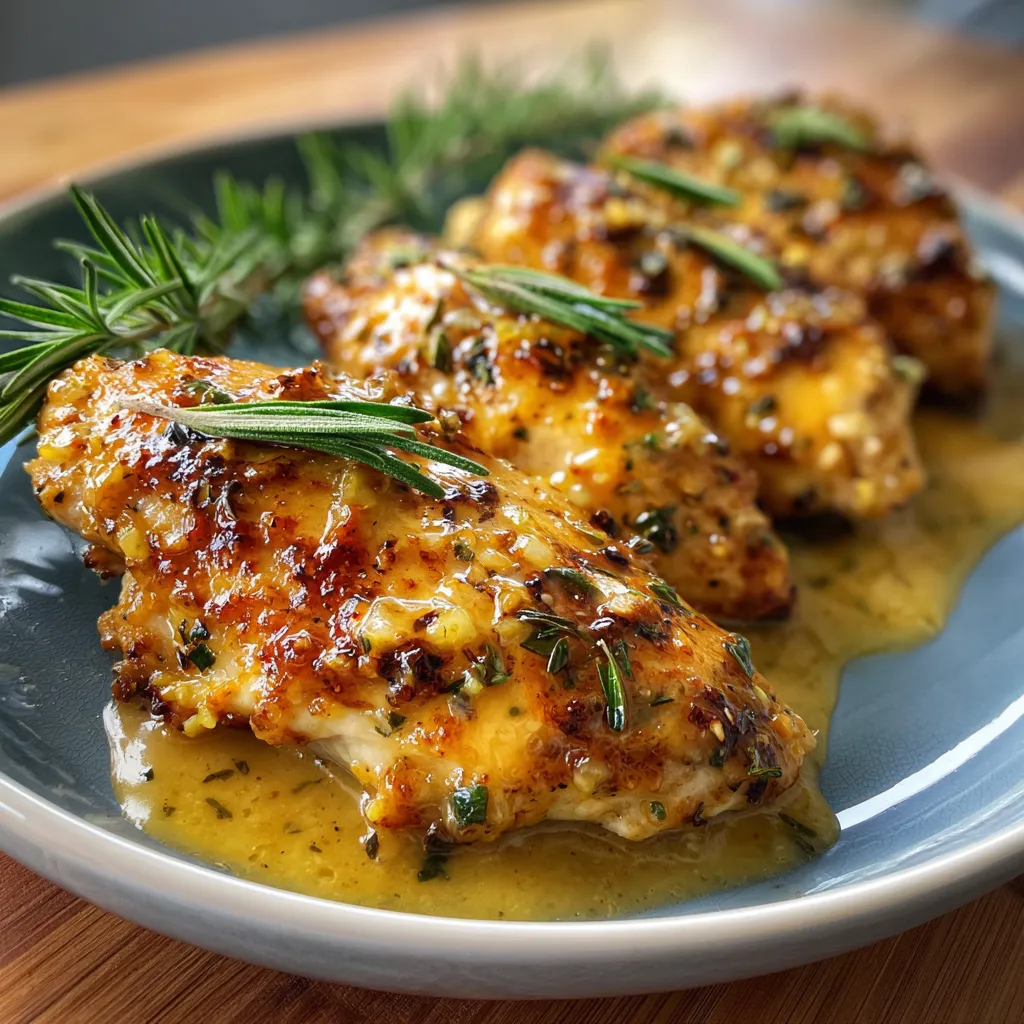

Heart Healthy Rosemary Chicken Dijon
Description
Juicy, lean chicken infused with aromatic rosemary and tangy mustard, pan-seared and bathed in a silky Dijon sauce. Ready in minutes, it’s a light yet satisfying dish that keeps your heart health on track.
Ingredients
Instructions
-
In a bowl whisk together Dijon mustard rosemary garlic lemon juice pepper and salt until smooth and well combined.
-
Add chicken breasts to the bowl and coat each piece thoroughly with the mustard mixture. Let marinate for 10 minutes at room temperature.
-
Heat olive oil in a large skillet over medium heat until shimmering.
-
Place chicken breasts in the skillet and cook for 4 to 5 minutes on each side until golden brown.
-
Pour in the chicken broth and bring to a gentle simmer. Cover and cook for 8 to 10 minutes until chicken is cooked through.
-
Remove the lid and cook for an additional 2 minutes to reduce the sauce slightly.
-
Transfer chicken to a serving platter and spoon the rosemary Dijon pan sauce over the top.
Note
- Use skinless boneless chicken breasts for lean protein and quick cooking.
- Substitute 1 teaspoon dried rosemary if fresh is not available.
- Opt for low sodium chicken broth to keep the dish heart healthy.
- Serve alongside steamed vegetables or whole grains for a balanced meal.

