

Sourdough Discard French Bread is your ticket to transforming leftover starter into a golden, crusty loaf that’s perfect for sandwiches, soups, or a midnight snack. This intermediate-level dinner bread relies on simple kneading, a bit of patience, and a steamy oven to deliver an airy, tangy crumb under a crackling crust. Whether you’re a sourdough veteran or a curious home baker, this recipe will make you rethink tossing out that discard—and reward you with slices that disappear fast!
Key Ingredients
Before diving into the dough, let’s meet the lineup that turns simple pantry staples into a beautiful French loaf:
- 250 grams sourdough discard: Brings natural tang and fermentation power to the dough.
- 450 grams all-purpose flour: Provides structure and a tender crumb base.
- 10 grams instant yeast: Ensures a reliable rise and airy texture.
- 10 grams salt: Enhances flavor and regulates yeast activity.
- 300 milliliters water: Hydrates and unites ingredients into a smooth dough.
- 5 grams sugar: Feeds the yeast and promotes browning of the crust.
How To Make Sourdough Discard French Bread
Ready to roll up your sleeves? This recipe walks you through mixing, kneading, rising, shaping, and baking so you end up with a loaf that has a beautifully blistered crust and soft, open crumb. Keep your workspace lightly floured, let the dough rise undisturbed, and create steam in the oven for that signature crackle. Follow these steps closely to transform simple ingredients into artisan-quality bread.
1. In a large mixing bowl combine sourdough discard, water, and sugar, stirring until smooth. Use a spatula to scrape down the sides and ensure there are no lumps.
2. Add flour, yeast, and salt to the bowl and mix until a shaggy dough forms, with no dry flour visible.
3. Turn the dough onto a lightly floured surface and knead for about 10 minutes until it’s elastic, smooth, and springs back gently when poked.
4. Place the dough in a lightly oiled bowl, cover with a damp cloth or plastic wrap, and let rise at room temperature for 1 hour or until doubled in size.
5. Gently deflate the dough, shape it into a classic baguette or rustic loaf, and place on a parchment-lined baking sheet.
6. Cover and let the shaped dough proof for 45 minutes to 1 hour until nearly doubled and slightly puffy.
7. Preheat the oven to 230°C (450°F) with a baking stone or sheet inside and a pan for water on the bottom rack to create steam.
8. Score the top of the loaf with a sharp blade to control expansion, then pour a cup of hot water into the pan to kickstart that steamy environment.
9. Bake for 20–25 minutes until the crust is deep golden brown and the loaf sounds hollow when tapped on the bottom.
10. Remove the bread from the oven and allow it to cool completely on a wire rack before slicing to set the crumb.
Serving Suggestions
Whether you’re hosting friends or enjoying a quiet dinner at home, these ideas will showcase your freshly baked loaf at its best:
- Spread warm slices with softened butter and a sprinkle of flaky sea salt for a classic treat.
- Tear chunks into croutons by tossing with olive oil, garlic powder, and herbs, then bake until crisp for salads and soups.
- Pair thick slices with a steaming bowl of tomato basil soup or French onion soup for ultimate comfort.
- Layer the bread into a rustic sandwich with ham, cheese, and Dijon mustard for an elevated lunch.
Tips For Perfect Sourdough Discard French Bread
Getting that ideal crust and tender crumb is all about technique and a few insider tips. Keep these notes in mind as you bake:
- For a crispier crust use a preheated baking stone and maintain steam in the first 10 minutes of baking.
- Letting the bread cool fully before slicing prevents a gummy interior and helps set the crumb.
- For deeper sour flavor refrigerate the dough overnight before shaping to boost tang and complexity.
- Adjust water as needed based on flour absorption and kitchen humidity; a slightly tacky dough yields the best texture.
How To Store It
Once you’ve poured your heart into this loaf, proper storage will keep it tasting fresh:
- Store at room temperature in a paper bag for up to 2 days to maintain a crisp crust and soft interior.
- For slightly softer crust but longer freshness, place in an airtight container or plastic bag for up to 3 days.
- To freeze, slice completely cooled bread, wrap in airtight freezer bags, and freeze for up to 3 months—toast directly from frozen.
- Refresh stale slices by briefly reheating in a 180°C (350°F) oven for 5–7 minutes to revive crunch and warmth.
Frequently Asked Questions
Here are quick answers to the most common questions about this recipe:
- Q: How long does it take to prepare and bake this Sourdough Discard French Bread?
It takes roughly 2 hours and 45 minutes from mixing to cooling, including 10 minutes kneading, 1 hour bulk rise, up to 1 hour proof after shaping, 20–25 minutes baking, plus cooling time.
- Q: Can I omit the instant yeast and rely solely on the sourdough discard?
You can, but expect much longer fermentation—up to 12–18 hours of bulk rise in the refrigerator—and a less predictable rise. The instant yeast guarantees a reliable double in size in just 1 hour.
- Q: How can I achieve a crispier crust?
Preheat a baking stone or heavy sheet at 230 °C (450 °F) and bake with steam for the first 10 minutes by pouring hot water into the pan on the bottom rack. A well-steamed environment and hot surface create maximum oven spring and a crackly crust.
- Q: What adjustments should I make for different flour types or humidity levels?
Add water gradually when mixing and adjust by 5–10 ml if the dough feels too stiff or too slack. In high-humidity environments you may need up to 10–15 g less water, and in very dry climates a bit more, to maintain a smooth, elastic dough.
- Q: Is it necessary to let the bread cool completely before slicing?
Yes. Cooling allows steam inside the loaf to redistribute and finish cooking the crumb. Slicing while hot can lead to a gummy, undercooked interior and uneven texture.
- Q: How can I deepen the sour flavor of the bread?
After the first rise, refrigerate the shaped dough overnight (8–12 hours). This slow, cold fermentation enhances lactic and acetic acid development, resulting in a more pronounced tang in the final loaf.
- Q: What’s the best way to store leftovers?
Store completely cooled slices in a paper bag at room temperature for up to 2 days to maintain crust crispness. For longer storage, freeze slices in an airtight bag for up to 3 months and reheat in a 180 °C (350 °F) oven directly from frozen to refresh the crust.
What Makes This Special
This Sourdough Discard French Bread is a playful nod to sustainability—turning what’s often tossed into a showstopping, golden loaf with an airy crumb and tangy punch. It works because you’re combining the best of sourdough flavor with the reliability of instant yeast, plus a steamy bake for that coveted crackling crust. Feel free to print out this guide, stash it in your recipe binder, and share how it turns out in your kitchen. Drop a comment or question below if you need a hand crafting your next batch or just to brag about your perfect slices!
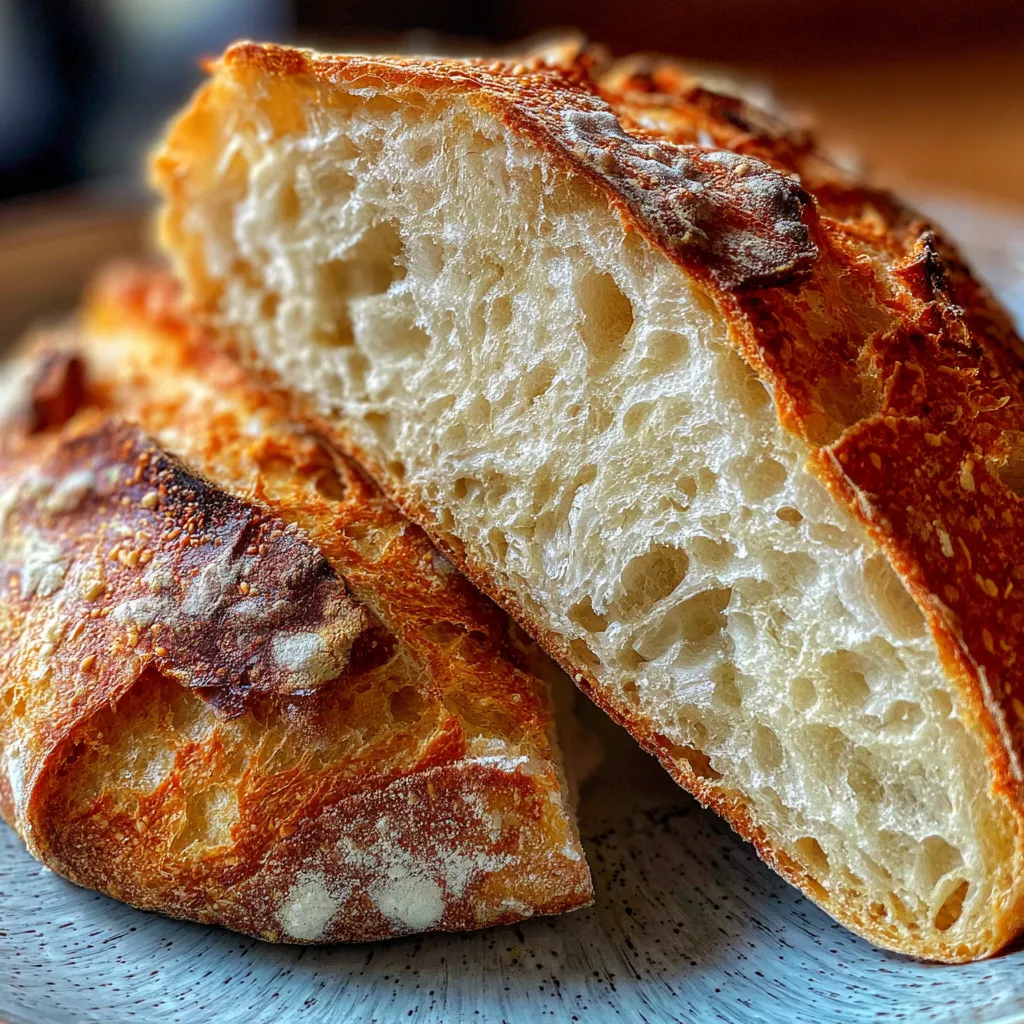

Sourdough Discard French Bread
Description
This sourdough discard French bread bakes up with a crackling crust, tender interior and vibrant tang. Simple kneading, patience and steam produce aromatic, golden slices perfect for sandwiches or alongside soups.
Ingredients
Instructions
-
In a large mixing bowl combine sourdough discard, water, and sugar, stirring until smooth.
-
Add flour, yeast, and salt to the bowl and mix until a shaggy dough forms.
-
Turn the dough onto a lightly floured surface and knead for about 10 minutes until elastic and smooth.
-
Place the dough in a lightly oiled bowl, cover, and let rise at room temperature for 1 hour or until doubled in size.
-
Gently deflate the dough and shape it into a baguette or loaf on a parchment-lined baking sheet.
-
Cover and let the shaped dough proof for 45 minutes to 1 hour until nearly doubled.
-
Preheat the oven to 230°C (450°F) with a baking stone or sheet inside and a pan for water on the bottom rack.
-
Score the top of the loaf with a sharp blade and pour a cup of hot water into the pan to create steam.
-
Bake for 20–25 minutes until the crust is golden brown and the loaf sounds hollow when tapped.
-
Remove the bread from the oven and allow it to cool completely on a wire rack before slicing.
Note
- For a crispier crust use a preheated baking stone and maintain steam in the first 10 minutes of baking.
- Letting the bread cool fully before slicing prevents a gummy interior.
- For deeper sour flavor refrigerate the dough overnight before shaping.
- Adjust water as needed based on flour absorption and kitchen humidity.

