

If you’ve ever found yourself yearning for a bowl of soup that feels like a warm hug and a flavor explosion in one, this Satay Beef Noodle Soup is calling your name. It has all the hallmarks of comfort food—tender strips of marinated beef swimming in a luxuriously creamy broth—yet it surprises you with bright pops of lime and fresh herbs that lift every spoonful. I still remember the first time I tasted its rich coconut base swirled with savory satay sauce; it was like discovering a secret flavor playground in my own kitchen. Each sip reveals layers of garlic, ginger, and just enough chili to make your senses sit up and take notice. Meanwhile, the rice noodles soak up the broth like little flavor sponges, turning every bite into something utterly crave-worthy.
Beyond the taste, there’s a little ritual in preparing this soup that feels special. Marinating the beef in satay sauce builds anticipation, while the gentle simmer of coconut milk and broth fills the house with that unmistakable hint of Asian-inspired warmth. I often find myself pausing mid-cook just to inhale deeply, savoring that moment before the final assembly. And when I finally spoon it into a bowl, garnishing with bean sprouts, cilantro, and a squeeze of fresh lime, it’s like presenting a homemade masterpiece—comfort food that looks and tastes like a restaurant dish, yet brimming with the personal touch only a home cook can provide.
KEY INGREDIENTS IN SATAY BEEF NOODLE SOUP
This dish shines because of its thoughtful balance of ingredients. Each component plays a unique role, from building depth to adding brightness, and together they create a bowl that’s both complex and utterly soothing. Here’s what you’ll need:
- Beef sirloin
Tender, thinly sliced beef sirloin provides a juicy, meaty foundation. When marinated in satay sauce, it absorbs those nutty, aromatic flavors, making every bite melt-in-your-mouth delicious.
- Rice noodles
Soft and slightly chewy, rice noodles are the perfect canvas. They soak up the flavorful broth without turning mushy, offering a satisfying texture contrast with the tender beef.
- Beef broth
Rich and savory, beef broth deepens the umami profile of the soup. It’s the backbone of the broth, giving it substance and that hearty comfort we all crave on chilly evenings.
- Coconut milk
Creamy and lightly sweet, coconut milk adds indulgence and tempers the spice of the satay sauce. It gives the soup its signature silky mouthfeel.
- Satay sauce
This nutty, spiced sauce brings the star flavor to the party. Its blend of peanuts, spices, and aromatics is what transforms a simple soup into a crave-worthy dish.
- Soy sauce
A staple for adding depth, soy sauce enhances the savory elements and helps balance the creaminess of the coconut milk with a salty edge.
- Fish sauce
Just a splash of fish sauce introduces an extra layer of umami complexity, boosting the overall flavor without making the soup taste fishy.
- Garlic
Minced garlic provides a pungent kick and aromatic warmth. It’s sautéed at the start to release its essential oils, forming a fragrant base.
- Ginger
Freshly grated ginger adds a bright, zesty note. It complements the garlic and cuts through the richness of the coconut milk.
- Vegetable oil
A neutral oil used for sautéing, it helps cook the aromatics and beef without imparting competing flavors.
- Red chili
Optional but highly recommended for heat lovers. Sliced red chili adds vibrant color and a spicy punch that you can dial up or down.
- Lime
Wedges of lime shine a spotlight on brightness. A squeeze at the end wakes up all the flavors, bringing a refreshing citrus twist.
- Fresh cilantro
Herbaceous and lively, cilantro leaves create a fresh, green garnish that contrasts beautifully with the creamy broth.
- Bean sprouts
Crunchy and clean-tasting, bean sprouts add a crisp texture and a light finish to each mouthful.
- Salt and pepper
Simple seasonings that allow you to adjust the final taste, ensuring every slurp is perfectly balanced.
HOW TO MAKE SATAY BEEF NOODLE SOUP
Before diving into the step-by-step process, let’s appreciate how each stage builds on the last, layering flavors and textures. From marinating the beef to simmering the broth to al dente noodles, every technique is designed to highlight the dish’s rich, nutty, and slightly spicy profile.
1. Marinate the thinly sliced beef with 2 tablespoons of satay sauce and let it sit for at least 15 minutes. This step infuses the beef with deep, nutty flavors before it even hits the pan.
2. In a large pot, heat 1 tablespoon of vegetable oil over medium heat. Add the minced garlic and grated ginger, sauté until fragrant—about 1–2 minutes—to release their aromatic oils.
3. Add the marinated beef slices to the pot and cook until just browned, about 2–3 minutes per side. Remove the beef and set aside to keep it tender.
4. In the same pot, add the beef broth and coconut milk. Bring the mixture to a gentle boil, stirring occasionally to blend the flavors.
5. Stir in the remaining 1 tablespoon of satay sauce, soy sauce, and fish sauce. Reduce the heat and let it simmer for about 10 minutes to let the flavors meld.
6. Meanwhile, cook the rice noodles according to package instructions until just al dente. Drain and set aside to prevent overcooking.
7. Add the cooked beef back into the soup pot and let it simmer for an additional 5 minutes, allowing the meat to finish cooking and the flavors to integrate.
8. Season the soup with salt and pepper to taste, adjusting until you reach that perfect savory balance.
9. Divide the cooked rice noodles into serving bowls. Ladle the hot soup with beef over the noodles, ensuring every bowl gets that silky broth.
10. Garnish with sliced red chili (if using), fresh cilantro, bean sprouts, and lime wedges, so each diner can customize the heat and acidity to their liking.
SERVING SUGGESTIONS FOR SATAY BEEF NOODLE SOUP
When it comes to presenting this vibrant soup, little details make a big impact. Serving it with thoughtfully chosen accompaniments can elevate each bowl from a simple meal to a feast for the senses. Think about the balance of textures—crunchy, creamy, soft—and the way color enhances appetite. Consider serving this soup on a wooden tray with colorful bowls to showcase the deep orange of the broth, the bright greens of cilantro and bean sprouts, and the fiery red of chili slices. Adding side dishes like lightly pickled cucumbers or a crisp Asian-inspired salad could offer a clean, refreshing contrast. Don’t forget to provide extra lime wedges and chili oil at the table so guests can customize their own spice and tang levels. Intentional garnishing, like finely chopped peanuts or a sprinkle of sesame seeds, can lend an extra dimension of texture and visual flair. Above all, serve the soup piping hot—this is comfort food at its best, so make sure every element arrives at the table ready to wow.
- Peanut Crumble: Top each bowl with crushed roasted peanuts for an extra layer of nuttiness and crunch. Simply coarsely chop peanuts and sprinkle just before serving.
- Pickled Vegetables: Offer a small side of quick-pickled carrots and cucumbers to introduce a tangy counterpoint. Slice veggies thinly and marinate in a mixture of rice vinegar, sugar, and a pinch of salt for at least 15 minutes.
- Chili Oil Drizzle: Provide a bowl of homemade or store-bought chili oil so spice seekers can add a glossy, fiery swirl. A few drops transform each spoonful.
- Fresh Herb Platter: Present a small platter of extra cilantro, Thai basil, and mint leaves—inviting everyone to tear in fresh herbs for a cooling, vibrant finish.
HOW TO STORE SATAY BEEF NOODLE SOUP
Proper storage is essential when you want to enjoy this comforting soup over the next few days without losing its signature flavors and textures. Since the rice noodles can become overly soft if left in the broth too long, consider storing components separately when possible. Use airtight containers to prevent flavors from dissipating and odors from other fridge items from sneaking in. Label each container with the date and contents so you know exactly when it was made. When reheating, warm the broth gently on the stove until it reaches a simmer, then add the beef and noodles just long enough to heat through—this keeps them from turning mushy. If you only have leftovers in a single container, transfer the noodles to a separate bowl before reheating the broth. Store garnishes like bean sprouts and cilantro in their own sealed bags or containers to maintain crispness. With these tips, you’ll find your second or third bowl tastes nearly as good as the first.
- Separate Components: Store the broth and beef in one airtight container and noodles in another. This prevents the noodles from absorbing too much liquid and becoming soggy.
- Refrigeration: Keep everything in the fridge for up to 3 days. Make sure containers are sealed tightly to maintain freshness and prevent any off-flavors.
- Freezing Broth Only: For longer storage, freeze the broth and beef mixture (without noodles) for up to 2 months. Thaw in the fridge overnight before reheating.
- Garnish Storage: Keep cilantro, bean sprouts, and lime wedges in separate containers or zip-top bags. Store at the front of the fridge to avoid getting crushed and to stay crisp.
CONCLUSION
All in all, this Satay Beef Noodle Soup brings together the best of cozy comfort and bold Asian-inspired flavors in one generous bowl. From the moment you mix those first spoonfuls of rich coconut milk and beef broth, you’re drawn into a tapestry of taste—sweet, savory, nutty, and spicy harmonizing perfectly. The methodical steps of marinating, sautéing, simmering, and garnishing create layers of complexity, but it’s worth every second as you witness simple ingredients transform into a restaurant-quality dish in your own home. Whether you’re cooking for a weeknight dinner, impressing friends at a casual gathering, or craving a solo date-night feast, this soup is incredibly versatile. You can tweak the spice level, switch up the protein, or even swap in your favorite gluten-free noodles to suit dietary needs. It’s a recipe designed to inspire and adapt—and I hope it becomes a staple in your own cooking repertoire.
Feel free to print this article out and save it in your recipe binder for easy reference. There’s an FAQ below for any extra tips you might need, so you can be confident when taking on each step. If you have comments, questions, or want to share how your version turned out, drop a note—I love hearing about your kitchen adventures! Whether you’re curious about substitutions, need clarification on techniques, or just want to rave about that first delicious bite, your feedback always brightens my day and helps fellow cooks feel supported. Enjoy every slurp of this spicy, creamy, noodle-packed masterpiece!
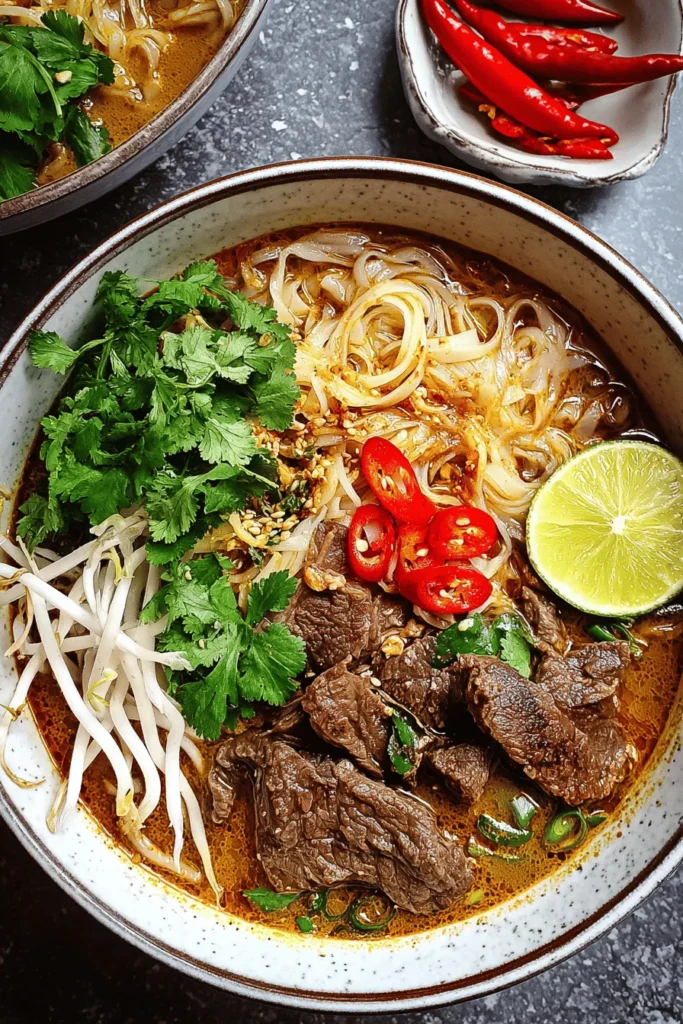

Satay Beef Noodle Soup
Description
Experience a delightful blend of tender beef, fragrant spices, and creamy coconut milk, all served over rice noodles in this crave-worthy soup. It's a comfort food classic!
Ingredients
Instructions
-
Marinate the thinly sliced beef with 2 tablespoons of satay sauce and let it sit for at least 15 minutes.
-
In a large pot, heat 1 tablespoon of vegetable oil over medium heat. Add the minced garlic and grated ginger, sauté until fragrant.
-
Add the marinated beef slices to the pot and cook until just browned. Remove the beef and set aside.
-
In the same pot, add the beef broth and coconut milk. Bring the mixture to a gentle boil.
-
Stir in the remaining 1 tablespoon of satay sauce, soy sauce, and fish sauce. Reduce the heat and let it simmer for about 10 minutes.
-
Meanwhile, cook the rice noodles according to package instructions. Drain and set aside.
-
Add the cooked beef back into the soup pot and let it simmer for an additional 5 minutes.
-
Season the soup with salt and pepper to taste.
-
Divide the cooked rice noodles into serving bowls. Ladle the hot soup over the noodles.
-
Garnish with sliced red chili (if using), fresh cilantro, bean sprouts, and lime wedges.
Note
- This dish can be adjusted for spice level by adding more or less chili.
- For a richer flavor, consider using homemade beef broth.
- Substitute chicken or tofu for a different protein option.
- Leftovers can be stored in an airtight container in the fridge for up to 3 days.
- This soup is great for warming up a cold day with its rich and spicy flavors.

