

Each spoonful of Avgolemono soup feels like a cozy, heartwarming hug that gently eases you into a state of contentment. This Greek classic brings together the bright zing of freshly squeezed lemon and the rich silkiness of whisked eggs, creating a velvety broth that dances on your taste buds. If you’re craving something that not only warms your belly but also lifts your spirits, this healing soup is your new best friend. Perfect for chilly evenings or a pick-me-up when you’re under the weather, Avgolemono is renowned in Greece for its restorative qualities. It’s a simple yet magical combination that transforms humble ingredients into comfort food gold.
When I first tried Avgolemono, I was curled up on my couch nursing a cold, wrapped in a blanket that had seen better days. I remember the first spoonful clearing my sinuses and coaxing a smile out of me. It reminded me of the slow Sunday lunches at my grandmother’s house, where she’d ladle steaming bowls of this soup and regale me with stories of olive groves and sun-drenched villages. In that moment, I understood why so many Greek families swear by this recipe—it marries tradition with healing, and every batch feels like it was made with love. Whether you’re a seasoned cook or a kitchen newbie, you’ll find that this recipe—labeled “Beginner” difficulty—fits easily into your routine, requiring just 15 minutes of prep and 20 minutes of cooking time. With around 350 calories per serving, this soup works beautifully as an appetizer, lunch, or a light dinner. So grab your pot, roll up your sleeves, and let’s dive into the heart of Greek comfort cuisine.
KEY INGREDIENTS IN AVGOLEMONO SOUP GREEK HEALING SOUP
Before we dive into cooking, let’s explore the heart and soul of this soup: the ingredients. Each item plays a crucial role in building flavors, textures, and that uniquely soothing character that makes Avgolemono a beloved classic. Gather these pantry staples and fresh picks, and you’ll be ready to create magic in your kitchen.
- Chicken broth
Provides the savory foundation and warm undertones that carry the lemon and egg. A good-quality broth imparts depth and richness to every spoonful.
- Orzo or rice
Acts as the comforting, tender grain that thickens the soup and makes it more substantial. Orzo offers a pasta-like bite, while rice creates a slightly more rustic texture.
- Eggs
Contribute creaminess and body when carefully whisked and tempered into the hot broth. They give the soup its signature silky consistency without using dairy.
- Fresh lemon juice
Brings bright, zesty acidity that cuts through the richness and lifts the flavors, delivering that classic tang that defines Avgolemono.
- Cooked chicken
Adds protein and heartiness, transforming the soup into a light yet satisfying meal. Shredded or cubed, it soaks up the lemony broth beautifully.
- Salt and pepper
Essential seasonings that enhance all the flavors, ensuring the soup tastes perfectly balanced.
- Fresh dill or parsley
Sprinkles of fresh herbs that add bursts of color and a hint of herbal freshness on top, making each bowl look and taste even more inviting.
HOW TO MAKE AVGOLEMONO SOUP GREEK HEALING SOUP
Now that your ingredients are lined up, let’s walk through the steps to transform them into a soothing bowl of Avgolemono. This recipe is straightforward, but paying attention to techniques like tempering will ensure a silky, lump-free soup.
1. In a large pot, bring the chicken broth to a gentle boil over medium-high heat. This sets the stage for cooking the grains and infusing the broth with warmth.
2. Once the broth is boiling, add the orzo or rice. Stir occasionally, reducing the heat to medium. Cook until the orzo or rice is tender, about 8–10 minutes, tasting occasionally to check for that perfect chew.
3. While the grains are cooking, whisk the eggs and lemon juice together in a medium bowl until well combined and slightly frothy. This blend will become the heart of your creamy broth.
4. When the orzo or rice is done, reduce the heat to low. Gradually ladle about 1 cup of the hot broth into the egg-lemon mixture, whisking constantly. This crucial step tempers the eggs, preventing them from scrambling when they meet the hot liquid.
5. Slowly stir the egg-lemon mixture back into the pot with the remaining broth and orzo or rice. Keep the heat on low and continue stirring gently for about 5 minutes until the soup thickens slightly. Do not let the soup boil, or the eggs may curdle.
6. Add the cooked chicken to the pot and stir until fully heated through, allowing the meat to soak up that tangy broth.
7. Season the soup with salt and pepper to taste, adjusting the seasoning to achieve a perfect balance of savory and bright notes.
8. Serve immediately in bowls, garnished with fresh dill or parsley if desired, and enjoy this cozy, healing delight.
SERVING SUGGESTIONS FOR AVGOLEMONO SOUP GREEK HEALING SOUP
Serving Avgolemono is an opportunity to elevate a simple bowl into a memorable experience. From bread pairings to presentation tips, these suggestions will help you delight friends, family, or even yourself on a comforting solo night in.
- Crusty artisan bread
Offer slices of warm sourdough or a rustic baguette for dipping. The crunchy exterior contrasts beautifully with the silky soup, creating a pleasing textural dance.
- Extra lemon wedges
Place thinly sliced lemon wedges on the side so guests can add a splash of extra brightness. A fresh squeeze can awaken the flavors and personalize each bowl.
- Drizzle of olive oil
Finish each serving with a small drizzle of high-quality extra virgin olive oil for a fruity richness and a glossy sheen that makes the soup look as gorgeous as it tastes.
- Herb garnish
Top with a generous sprinkle of finely chopped fresh dill or parsley to add color, fragrance, and a final layer of herbal freshness. It’s the simple detail that turns home cooking into a restaurant-worthy presentation.
HOW TO STORE AVGOLEMONO SOUP GREEK HEALING SOUP
If you happen to have leftovers—or if you’re planning ahead—storing Avgolemono properly ensures that you can enjoy its comforting goodness later on. This section covers techniques to maintain the soup’s texture and flavor, whether you’re refrigerating for a few days or freezing for longer-term enjoyment.
- Refrigeration in airtight containers
Once the soup has cooled to room temperature, transfer it to airtight containers. Properly sealed, it will stay fresh in the fridge for up to 3 days without absorbing other odors or losing its bright flavors.
- Freezing in portions
Pour individual servings into freezer-safe containers, leaving a small gap for expansion. Label with the date, and store for up to 2 months. Thaw overnight in the refrigerator before reheating.
- Gentle reheating
To revive leftover soup, warm it slowly over low heat, stirring occasionally. This gentle approach protects the delicate tempered eggs and prevents the soup from curdling or becoming grainy.
- Avoid refreezing
For best quality, only freeze once. Repeated freezing and thawing can impact texture, causing the grains to break down and the eggs to separate, which diminishes the soup’s signature silkiness.
CONCLUSION
Avgolemono soup brings together the best of Greek comfort and healing foods in a bowl that’s both bright and soothing. We’ve explored how simple ingredients like chicken broth, orzo (or rice), eggs, and fresh lemon juice transform into a creamy, tangy masterpiece through the tempering technique. By following straightforward steps—boiling, stirring, and gently whisking—you can recreate this tradition in just over half an hour. Whether you enjoy it as an appetizer, a light lunch, or a warming dinner, its versatility makes it a staple for any home cook, especially those seeking dishes that nourish both body and soul.
Feel free to print this article and save it for later use; it’s your blueprint for comfort whenever you need a warm hug in a bowl. You’ll also find an FAQ section below in case you have questions about substitutions, troubleshooting, or tips for customization. If you give this recipe a try, I’d love to hear how it turned out—leave a comment, share your own twists, or let me know if you need any guidance. Your feedback and stories keep the cooking community alive and inspire others to discover this Greek marvel. Happy cooking, and may every spoonful bring a little healing and a lot of joy!
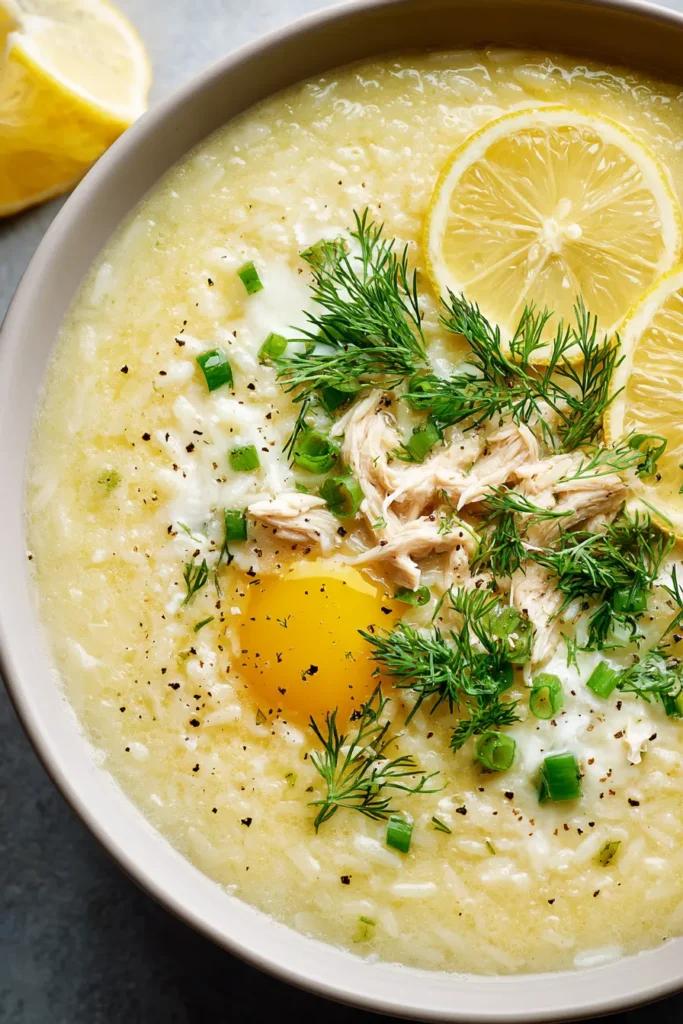

Avgolemono Soup Greek Healing Soup
Description
Experience the delightful fusion of tangy lemon and creamy eggs in Avgolemono soup, a Greek classic that's perfect for cozy meals or when you need a warm hug in a bowl.
Ingredients
Instructions
-
In a large pot, bring the chicken broth to a boil over medium-high heat.
-
Once the broth is boiling, add the orzo or rice. Stir occasionally, reducing the heat to medium. Cook until the orzo or rice is tender, about 8-10 minutes.
-
While the orzo or rice is cooking, whisk the eggs and lemon juice together in a medium bowl until well combined and slightly frothy.
-
When the orzo or rice is done, reduce the heat to low. Gradually ladle about 1 cup of the hot broth into the egg-lemon mixture, whisking constantly. This process tempers the eggs, preventing them from curdling.
-
Slowly stir the egg-lemon mixture back into the pot with the remaining broth and orzo/rice. Keep the heat on low and continue stirring gently for about 5 minutes until the soup thickens slightly. Do not let the soup boil.
-
Add the cooked chicken to the pot and stir until fully heated through.
-
Season the soup with salt and pepper to taste.
-
Serve immediately in bowls, garnished with fresh dill or parsley if desired.
Note
- Avgolemono soup is a traditional Greek soup, often consumed as a remedy for colds due to its warm, comforting nature.
- This soup can be made with either rice or orzo, depending on your preference.
- Tempering the eggs is crucial to achieve a smooth, creamy texture without curdling.
- Freshly squeezed lemon juice is recommended for the best flavor; adjust the amount based on personal taste preferences.
- Garnishing with fresh dill or parsley adds a burst of color and additional flavor.
- For a heartier soup, you can add vegetables like carrots or celery when boiling the broth.

